From Vintage Embroidery to Modern Pet Fashion
An exploration of the fabrics, textures, and timeless details that give pet accessories their own sense of character.
What makes a simple pet bandana feel romantic, vintage, playful, or refined? Often, the answer lies in the textile itself: the depth of embroidery, the structure of a woven pattern, or the lightness of a lace detail.
Join us as we look more closely at the design influences behind distinctive pet neckwear and discover how thoughtful styling can bring personality to everyday moments.


Why Details Matter
Fashion has always been shaped by texture. We experience a garment not just through its color or outline, but through the visual character of its materials: the way threads reflect light, patterns create rhythm, and decorative elements introduce contrast.
Pet accessories can be appreciated through the same design lens. Although much smaller than a traditional garment, a neck scarf or decorative collar has enough visual presence to express a mood, complement a setting, and frame a pet's face.
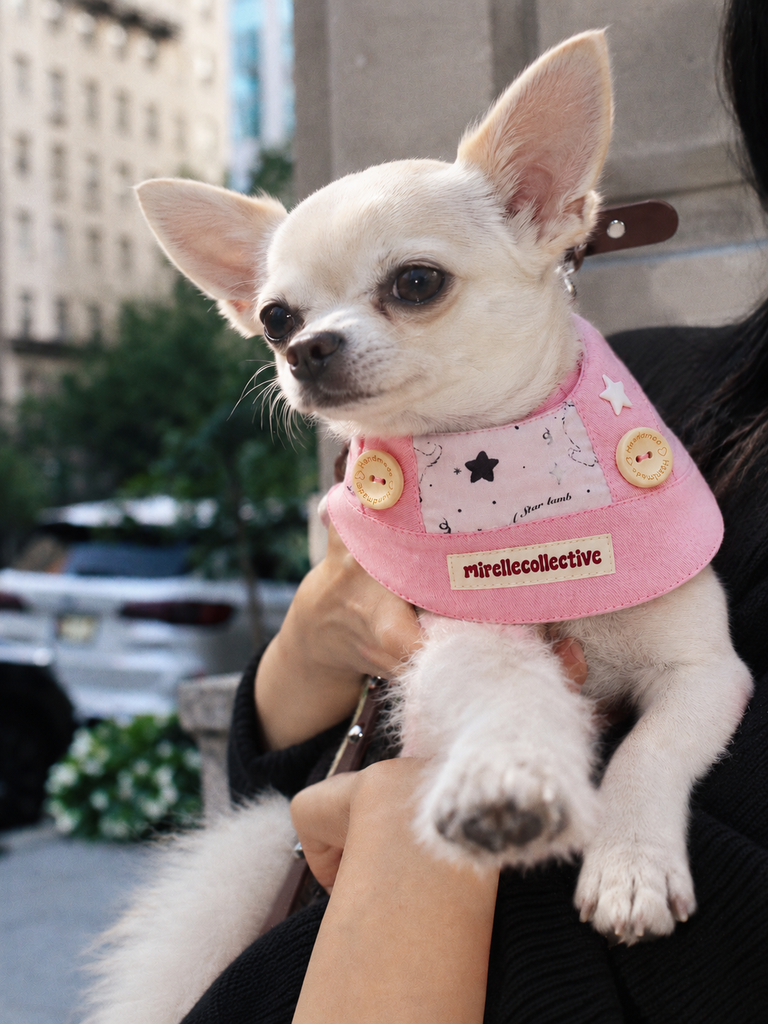
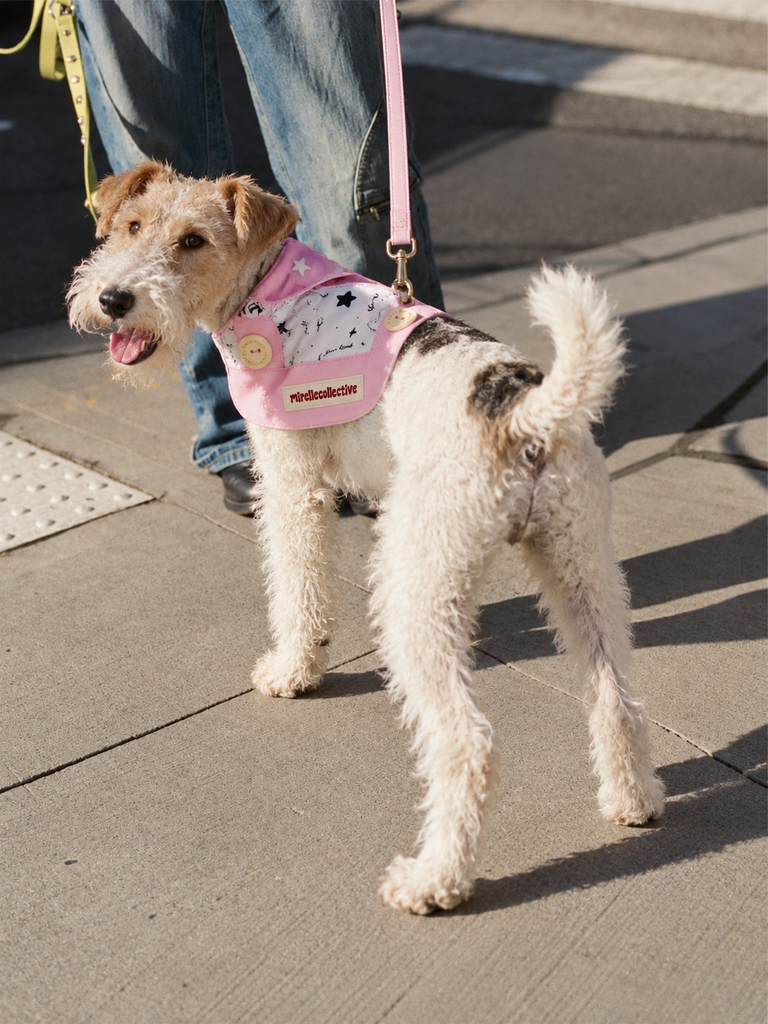
At Mirellecollective, our product direction explores vintage-inspired textiles, expressive embroidery, lace details, decorative accents, and playful modern patterns. We believe the most interesting pieces combine visual personality with a clear understanding of their intended use.
In this article, we examine those design influences and share practical ideas for selecting, styling, and maintaining decorative pet accessories.
The Textures That Shape Timeless Design
Throughout fashion history, textiles have communicated ideas about occasion, culture, mood, and personal taste. Patterned woven fabrics often bring decorative richness, while simple cotton-like textures and denim-inspired materials create a more relaxed impression.
In modern pet fashion, these influences can be adapted into smaller accessories without losing their original aesthetic character. A richly textured bandana may bring a formal or romantic feeling, while a plaid scarf can feel familiar and casual.
Brocade-Inspired Fabric: Decorative Depth
Brocade refers to a family of patterned woven textiles traditionally valued for their elaborate surface designs. Rather than relying entirely on printed imagery, classic brocade structures can create patterns through woven threads and changes in texture.
In pet accessory design, brocade-inspired styling brings a sense of vintage elegance. The decorative surface itself becomes part of the visual statement, especially when paired with a simple scarf or cape-like silhouette.
However, fabric appearance does not prove a particular weave structure, fiber content, or manufacturing technique. When purchasing a textile accessory, check the individual product description for confirmed construction and material information.
Jacquard Patterns and Woven Character
Jacquard is associated with a method of producing complex woven patterns. In clothing and interior textiles, these patterns are often appreciated for the interplay between light, shadow, and surface texture.
Jacquard-inspired pet neckwear can introduce an ornamental look that feels more detailed than a plain solid-colored accessory. Depending on the exact fabric, the pattern may be subtle or visually pronounced.
Why Vintage Influences Still Feel Relevant
Vintage styling is not simply about recreating the past. In contemporary design, historical references often appear through proportions, textures, color palettes, or decorative details rather than exact reproductions.
A floral motif may evoke botanical illustrations, while lace recalls romantic formalwear. Plaid connects with classic countryside fashion, and denim-inspired fabrics suggest relaxed everyday clothing.
These references help explain why a small pet accessory can feel distinctive even when its basic shape is familiar.
Ornamental
Textured patterns and decorative surfaces create a refined, expressive appearance.
Romantic
Floral influences and delicate lace bring softness to occasion-ready styling.
Everyday
Plaid and denim-inspired fabrics offer a more relaxed, versatile mood.
One of the most appealing qualities of textile-inspired design is that it allows different personalities to emerge from a small collection. The same pet may look quietly elegant in embroidered neckwear and playfully casual in a plaid scarf, with the accessory creating much of the difference.
Embroidery, Lace, Pearls, and the Beauty of Small Details
Beyond the foundation fabric, decorative elements can define the mood of a pet accessory. Embroidery adds dimension, lace introduces delicacy, and bead-like accents create points of visual contrast.
Understanding how these details influence a design can help owners choose accessories that match an occasion without overwhelming their pet's natural appearance.
The Expressive Appeal of Dimensional Embroidery
Embroidery uses stitching to create patterns and decorative imagery on fabric. Raised or dimensional embroidery can produce a textured surface that changes appearance with lighting and viewing angle.
Floral embroidery is especially well suited to vintage-inspired accessories because flowers are familiar elements in historical textiles, botanical artwork, and romantic clothing design.
When placed on a small pet bandana or decorative cape, embroidery can become the focal point. A carefully balanced design allows the motif to remain visible while the accessory still complements the pet's face and coat.
For photography, angled natural light can reveal stitching depth and surface variation. Avoid excessively strong editing that obscures the fabric's genuine appearance.
Romantic Lace and Decorative Trimming
Lace can create an airy silhouette and visual softness. It often works beautifully for wedding portraits, birthdays, and seasonal celebrations because it suggests formality without requiring a full outfit.
A lace collar can frame the neckline in a way that feels both charming and slightly nostalgic. Its delicate structure also means that care and supervision are particularly important.
Snagging, excessive pulling, and forceful washing can damage certain lace constructions. Owners should inspect decorative trim before use and follow the care information provided for the specific product.
Golden Accents and Pearl-Inspired Details
Small golden or pearl-like accents introduce a different aesthetic: polished, ornamental, and reminiscent of vintage jewelry.
They are especially noticeable against dark or understated fabrics, where a small decorative highlight can become the most memorable element of the design.
When choosing embellished neckwear, however, appearance should not be the only consideration. Beads and other decorative components may become hazardous if chewed, detached, or swallowed.
For that reason, embellished pet accessories are best reserved for appropriate supervised wear and should be checked for damage before each use.
“A beautiful accessory doesn't need to be elaborate. Sometimes one considered detail is enough to give it character.”
Layering Without Overcomplicating the Look
Layered-looking accessories can create the impression of a more complete outfit while maintaining a compact neckline-focused silhouette. A false two-piece design, for example, may combine contrasting visual sections within one decorative accessory.
For an effective result, look for balance between pattern and structure. When the decorative shape is already elaborate, a more restrained color palette often helps the design remain visually clear.
It is equally important to confirm how the product actually fastens and fits. A layered visual effect does not guarantee that an item has the same construction or adjustability as a conventional bandana.
Bringing Vintage Details Into Modern Pet Style
Modern pet styling often succeeds through contrast. Vintage-inspired textiles can feel fresh when paired with simple surroundings, while an everyday plaid accessory can take on an editorial quality in carefully composed photographs.
Rather than styling every visible element, think about one clear point of interest: the fabric pattern, a decorative collar shape, or an embroidered motif.
Look One: The Romantic Portrait
For soft, elegant photographs, consider floral embroidery, gentle colors, and a simple setting. Garden greenery, pale stone, and natural window light can provide a calm background that allows the accessory to stand out.
The objective is not to create a perfectly staged image, but to capture your pet's personality while allowing a decorative detail to complement the moment.
Look Two: The Vintage Weekend
A denim-inspired bandana or classic plaid scarf creates a relaxed, nostalgic look. These designs pair naturally with textured walls, wooden furniture, neutral interiors, and comfortable outdoor settings.
Simple patterns are especially useful because they can coordinate with different backdrops across seasons without requiring a completely new styling approach.
Look Three: The Little Celebration
For birthdays, holiday gatherings, and other festive occasions, a decorative lace collar or playful colored scarf can make an immediate impression.
Choose one primary accent color and keep the surrounding elements relatively simple. An uncluttered background helps the accessory remain visible and avoids competing patterns.

Classic Patterns, Contemporary Moments
Patterns such as plaid continue to feel relevant because they are versatile. A single accessory can work in a relaxed home setting, a seasonal portrait, or an everyday walk.
Consider the overall visual balance. If the pattern is bold, a neutral background often provides a cleaner composition. If the accessory is understated, texture in the surroundings can add depth without overwhelming the subject.
Most importantly, give your pet freedom to remain comfortable and natural. A charming photograph rarely requires a complicated pose or an uncomfortable accessory.
Look Four: Quietly Elegant
Not every occasion calls for dramatic embellishment. Sometimes a simple decorative neckline, subtle stitching, or carefully selected color is enough.
Quiet elegance works especially well when the accessory is one element of a naturally balanced composition. Think soft lighting, clean surroundings, and a focus on the pet's expression.
Matching Accessories to Different Occasions
| Occasion | Style Direction | Suggested Details |
|---|---|---|
| Everyday Walks | Simple and relaxed | Plaid, understated patterns, and lightweight neckwear suited to supervised use. |
| Birthday Portraits | Cheerful and expressive | Colorful bandanas or decorative designs that complement the party setting. |
| Wedding Photographs | Soft and romantic | Floral embroidery, lace-inspired details, and gentle neutral shades. |
| Holiday Gatherings | Festive and seasonal | Holiday patterns, textured scarves, and occasion-ready decorative collars. |
| Garden Photography | Botanical and vintage | Floral motifs, woven patterns, and understated complementary colors. |
| Casual Family Photos | Timeless and personal | Simple bandanas, plaid patterns, or a familiar favorite accessory. |
When preparing a pet for photographs, introduce unfamiliar accessories gradually and observe their behavior. A pet that is comfortable and relaxed will usually create a more appealing moment than one forced into an elaborate styling arrangement.
How to Choose and Care for Decorative Pet Accessories
A thoughtful purchase combines design preferences with practical information. Before selecting an accessory, consider its size, construction, intended use, cleaning requirements, and how comfortably your pet is likely to wear it.
1. Begin With Accurate Measurements
For bandanas and decorative collars, neck circumference is typically an important measurement. Use a flexible tape around the intended wearing position without pulling tightly against the skin.
For ear wraps, head measurements may be more relevant. These products have different structures and should not be sized using a standard neckwear chart unless the individual product instructions say otherwise.
Breed names can offer general context, but two dogs of the same breed may have noticeably different measurements. Confirm the actual product size range before ordering.
2. Consider the Textile and Decorative Elements
A richly embroidered accessory may provide a beautiful finish for a special event, but it may need more careful handling than a simple everyday textile.
Likewise, lace, pearl-like beads, and decorative flowers may look elegant while requiring close supervision and gentle cleaning.
When evaluating an item online, pay attention to close-up photographs, construction information, fastening style, and available care guidance.
3. Match the Accessory to Your Pet's Temperament
Some pets enjoy wearing familiar accessories, while others find even lightweight headwear uncomfortable. Introduce a new piece gradually and allow your pet to become familiar with it before attempting a photograph or outing.
Remove the item if your pet shows signs of distress, repeated attempts to pull it off, or irritation around the wearing area.
Inspect Before Wear
Look for loose stitching, damaged fabric, broken fasteners, or beads that could become detached.
Clean According to Material
Follow the product care instructions and avoid assuming every decorative fabric can be machine washed.
Avoid Unnecessary Heat
High-temperature drying or direct ironing may damage certain trims, decorative components, or textile finishes.
Store With Care
Keep accessories dry and away from rough objects that may catch delicate lace or embroidery.
4. Understand Product Care
Care requirements depend on the actual fiber composition, decoration, and construction. A decorative textile that resembles brocade may have different washing instructions from another fabric with a similar appearance.
For washable delicate pieces, a gentle cleaning method may be appropriate when permitted by the product label. Avoid excessive rubbing across embroidery or ornamental trim, and allow accessories to dry fully before storage.
Bead-like accents and attached decorations may require spot cleaning rather than immersion, depending on their construction. If a piece becomes damaged, discontinue use until it is safe or replace it.
For more practical information, visit our Care Guide.
5. Keep Pet Safety at the Center
Decorative accessories should not restrict breathing, movement, hearing, or vision. They are not substitutes for suitable walking harnesses or safety restraints.
Supervise pets while wearing ornamental accessories, especially designs with beads, flowers, or other attachments. Remove neckwear or headwear during sleep and other situations where it may catch on objects or create a hazard.
Important: Product beauty and pet comfort must go together. When an accessory is uncomfortable or unsuitable for the activity, choose a different style or allow your pet to go without it.
6. Shop With Long-Term Versatility in Mind
Rather than selecting an accessory only because of a current trend, consider how often it will suit your pet's routine and your preferred styling occasions.
A small collection might include one understated everyday bandana, a patterned seasonal scarf, and a more decorative embroidered or lace-inspired piece for special occasions.
Versatility also comes from considering how the accessory photographs across different settings. Classic colors and thoughtfully balanced patterns can remain appealing even as seasonal trends change.
Good Design Is More Than Decoration
The most memorable pet accessories often bring together several qualities: an expressive visual idea, a suitable construction, comfortable fit, and the right moment in which to wear them.
Vintage-inspired embroidery, brocade-style surfaces, romantic lace, pearl-like accents, denim textures, and familiar plaid patterns each offer a different way to express personality.
What matters is not how elaborate an accessory looks, but how well it complements the pet and the everyday experiences shared with them.
At Mirellecollective, we celebrate that balance between character and consideration. Our collection reflects an appreciation for charming details, different design traditions, and the special relationship between pets and the people who love them.
Whether you're selecting a floral embroidered bandana for an important celebration or a simple plaid scarf for a casual portrait, we hope you find something that feels distinctly suited to your companion.
Common Questions About Pet Fashion Fabrics
Practical answers to help you make informed choices about decorative textiles and accessories.
What is the difference between brocade and embroidery?
Brocade generally refers to a patterned woven fabric, while embroidery adds decorative stitching to a textile surface. An accessory may combine both techniques or feature a similar visual style without using those exact production methods. Check the specific product details.
Are embroidered bandanas suitable for everyday wear?
Suitability depends on construction, decorative features, your pet's tolerance, and the activity. Elaborately embellished designs may be better for short supervised occasions than active everyday play.
How should I care for delicate lace accessories?
Follow the actual product care instructions. Gentle spot treatment may be preferable for some designs. Avoid harsh friction, pulling, and unsupervised wear around objects where lace could snag.
Can pearl-like decorations become loose?
Any attached decoration can become damaged or loosen over time. Inspect accessories before each use and discontinue wearing them if small components could detach or be swallowed.
Should a pet scarf match the dog's coat color?
Not necessarily. Both harmonious and contrasting palettes can look appealing. Consider the setting, natural lighting, and the accessory's overall pattern rather than following rigid color rules.
How can I choose the correct bandana size?
Measure your pet's neck at the intended wearing position and compare the result with the product-specific size chart. Breed, age, or body weight alone is not enough to guarantee a proper fit.